
Property Loss Reports Designed To Perform Under Review
Dedicated Residential and Commercial Estimators Are Assigned To Each Property Loss Report
Each Property Loss Report is built by an experienced estimator and senior file reviewer. The right support is built in, so decisions move faster and the job keeps moving.
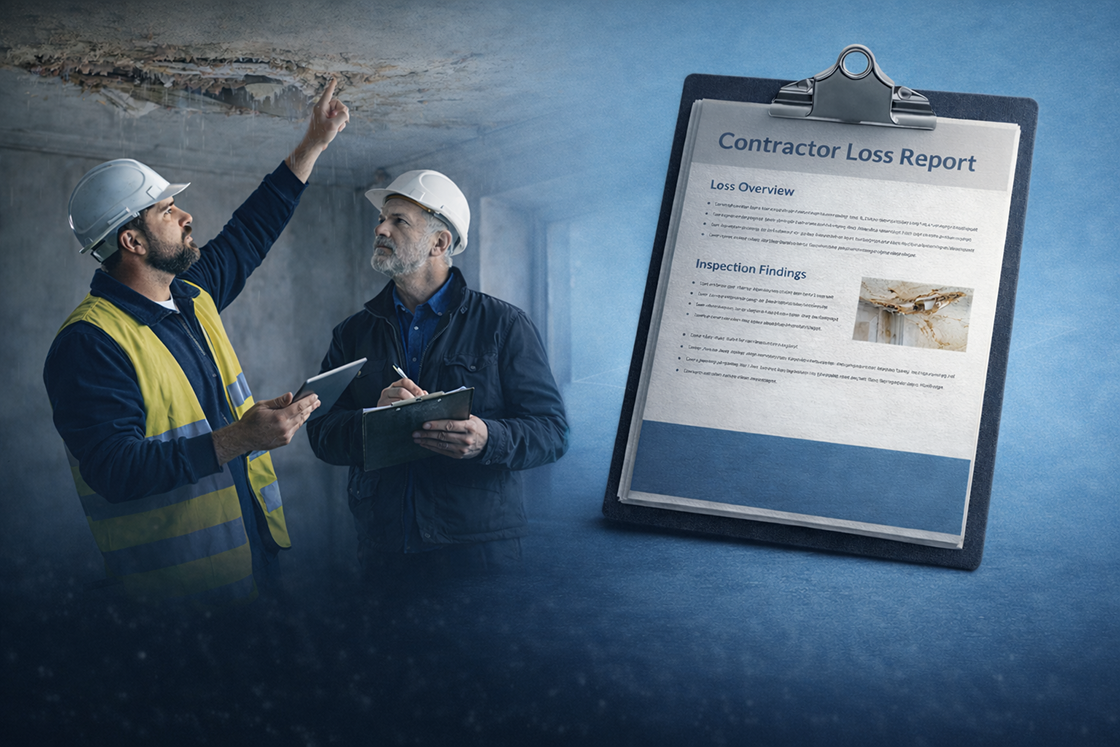
Contractor Loss Report
Forensic records, weather data, industry standards, installation documentation and a complete loss narrative, organized into a Contractor Loss Report that supports and explains the project scope.

Estimate Bundle
Every estimate includes a sketch, measurements, detailed line items, photo reports and defensible notes organized in Xactimate or Symbility into a complete project estimate that clearly defines the full scope of work.

Project Reports
We compile all the reports you need to stay productive—material lists, summaries, and subcontractor reports—organized to support better coordination throughout the project.






Residential and Commercial Property Loss Reports Across the United States and Canada
Fire, flood, water, wind, hail, and freeze damage — Property Loss Reports created around Xactimate and Symbility estimates for any loss.
All Losses Are Not The Same






Property Loss Reports Created To Keep You Moving Forward

Defensible Scope
Everything the carrier needs is organized into one clear, connected scope, from the first page through the last. The file makes sense on first review, reduces avoidable questions, and helps the project move into decision instead of getting stalled in clarification and rework.

Faster Approval
Complete documentation means projects move forward with less delay and fewer kickbacks and review cycles. This helps jobs get locked in sooner and tightens timelines, so time is spent building instead of losing customers.

Revenue Protection
More of the scope holds up through review instead of getting cut down, so the approved scope stays closer to what the project actually requires. Less revenue is lost, fewer items require pushback, and more value stays in the job.

Subcontractor Clarity
Our Property Loss Reports include material lists, summaries, subcontractor reports, and photo documentation, giving subs what they need to bid and plan accurately so coordination stays tight and the job progresses with fewer gaps.

Clear Execution
The approved scope becomes the build plan, so crews start from something real instead of figuring it out in the field. Work moves forward with fewer surprises and less rework.
Create
Initial scope development with clear structure, accurate quantities, and defensible line items to establish a strong starting position.
Correct
Ongoing revisions built from field conditions, documentation, and scope gaps to ensure all necessary work is captured and supported.

Control
Place your entire estimate process under full oversight—from revisions and organization to file control, coordination, and final resolution.
Control The Claim
Control the Outcome
Stop the slowdown. Keep your job moving without delays.